
NEWS
BBC News: Iranian state TV has confirmed the death of Ayatollah Ali Khamenei, the 86-year-old ruler of Iran for more than three decades…

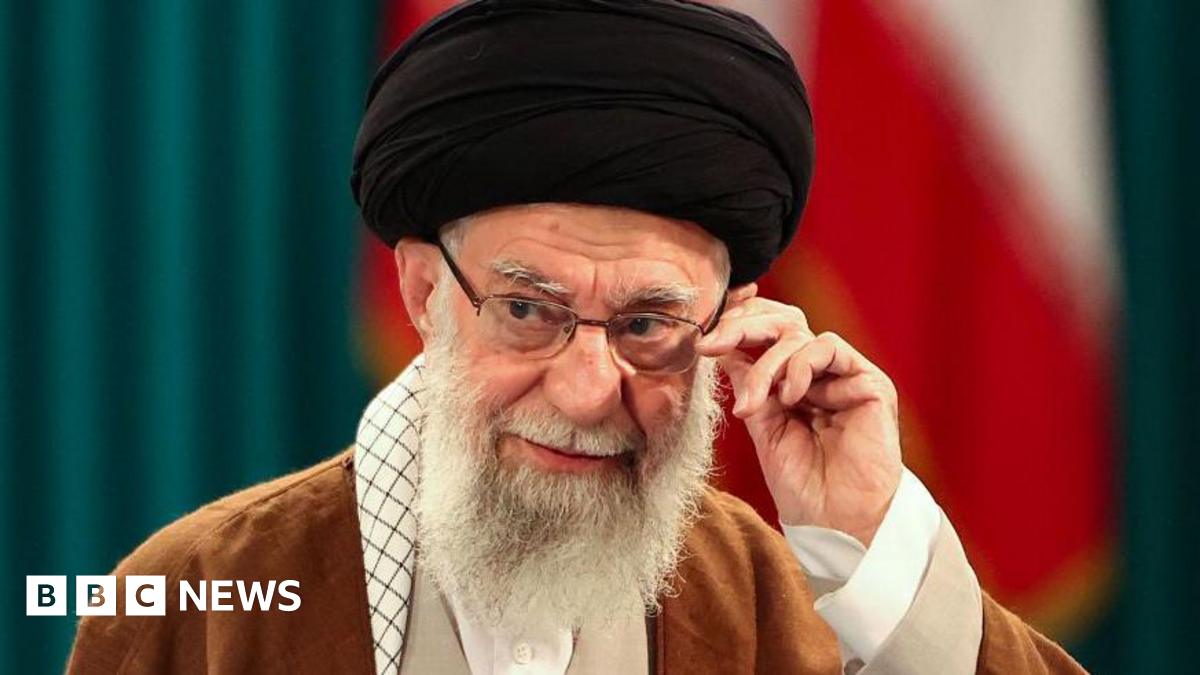
Ayatollah Ali Khamenei has been killed on the first day of massive US and Israeli air strikes on Iran, US President Donald Trump has announced.
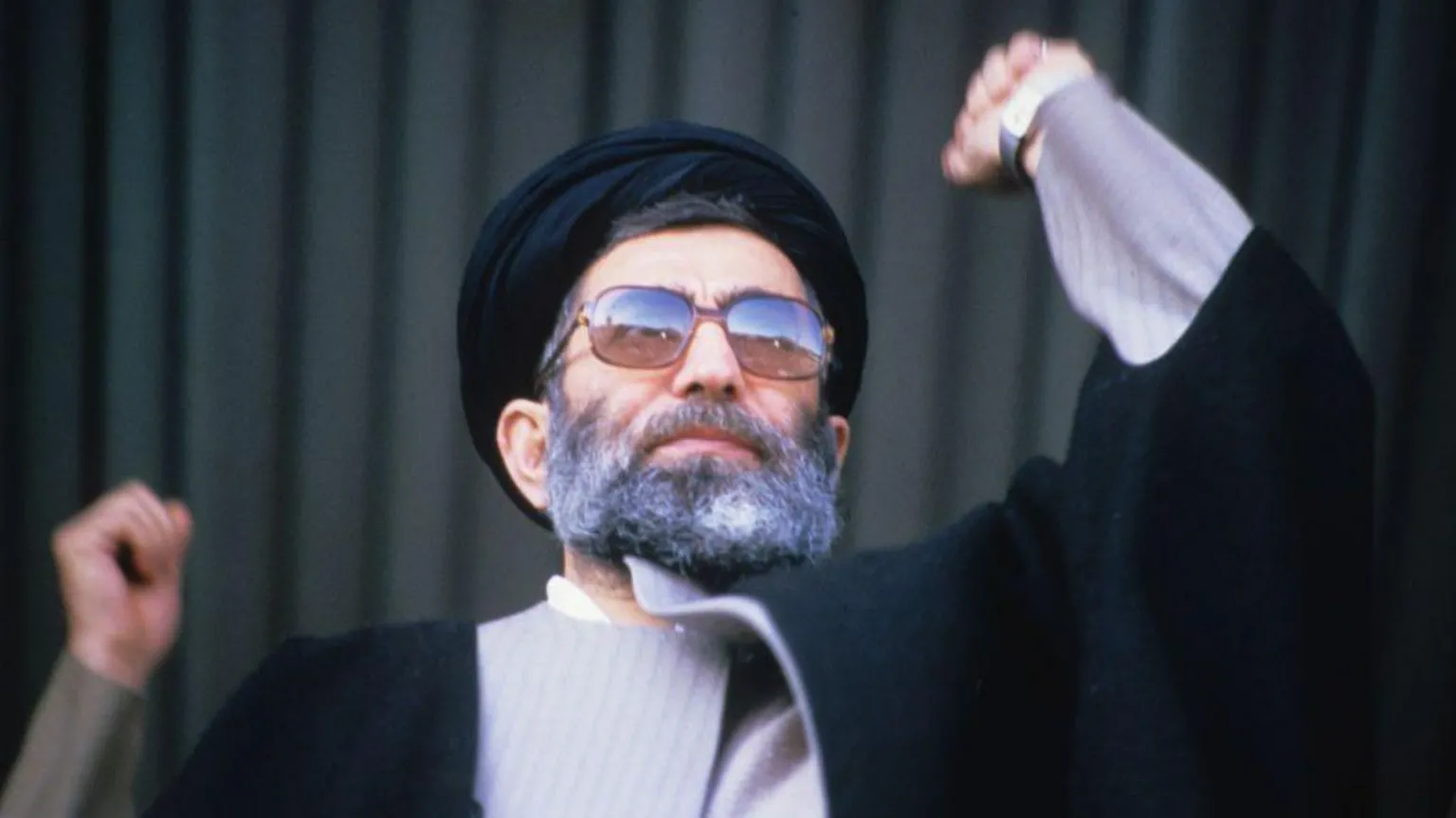
The death of the 86-year-old ruler of the past three decades – one of the longest in the world – was later confirmed on Iranian state TV.
Iran has had only two supreme leaders since the 1979 Islamic Revolution.
Khamenei headed an all-powerful office – he was head of state and commander-in-chief of the armed forces, including the elite Revolutionary Guards.
He was not quite a dictator, even though he had put himself in the middle of a complex web of competing power centres, able to veto any matter of public policy and hand pick candidates for public office.
Young Iranians have never experienced life without him in charge.
State television covered Khamenei’s every move. His image is plastered on billboards in public spaces and his photograph is ubiquitous in shops.
Abroad, successive Iranian presidents have often hogged the limelight. But, at home, it was Khamenei who pulled the strings.
His death, in such violent circumstances, heralds a new and uncertain future, both in Iran and the wider region.
Ali Khamenei was born in the city of Mashhad, in north-eastern Iran, in 1939.
The second of eight children in a religious family, his father was a mid-ranking cleric from the Shia branch of Islam, the dominant sect in Iran.
Khamenei would later romanticise his “poor but pious” childhood, saying he frequently ate nothing but “bread and raisins”.
His education was dominated by the study of the Quran, and he qualified as a cleric by the age of 11. But, in common with many religious leaders of the time, his work was as much political as spiritual.
An effective orator, Khamenei joined the critics of the Shah of Iran – the monarch who was eventually overthrown by the Islamic revolution.
For years, he lived underground or festered in jail. He was arrested six times by the shah’s secret police, suffering torture and internal exile.
After the Islamic revolution, its leader Ayatollah Ruhollah Khomeini appointed him Friday prayer leader of the capital, Tehran.
Every week, his political sermons were broadcast throughout the country. It firmly established Khamenei as part of the new leadership of the country.
In the tumultuous first months after the revolution, a group of militant university students loyal to Khomeini occupied the US embassy. Dozens of diplomats and embassy staff were taken hostage.
Iran’s revolutionary leaders – including Khamenei – supported the students, who were protesting against America’s decision to give sanctuary to the deposed shah.
The hostage-taking lasted for 444 days.
It helped destroy the Carter administration in the United States and set Iran on the anti-American and anti-Western path that came to define the revolution.
The episode also marked the beginning of decades of international isolation for Iran.
Shortly after the crisis, Khamenei was fortunate to survive an assassination attempt.
In June 1981, a dissident group hid a bomb inside a tape recorder. It exploded as he delivered a lecture.
He was badly injured. His lungs took months to recover, and he permanently lost the use of his right arm.
Later that year, President Mohammad-Ali Rajai was assassinated and Khamenei stood in the ensuing election to succeed him in the largely ceremonial role.
With Khomeini controlling who had the right to stand, the outcome was never in doubt. Khamenei won with 97% of the vote.
His inaugural address set the tone for his presidency, with him condemning “deviation, liberalism, and American-influenced leftists”.
In office, Khamenei became a wartime leader.
Months earlier, the country’s neighbour, Iraq, had invaded. Saddam Hussein, Iraq’s president, feared that Khomeini’s Islamic revolution would spread abroad and undermine his own regime.
It was a vicious and bloody war that lasted eight years, with hundreds of thousands of deaths on both sides.
Khamenei spent months at a time on the front lines, where many of the commanders and soldiers he met and knew were killed
Ayatollah Khamenei’s iron grip on power in Iran comes to an end
21 hours ago
Sam Woodhouse
Share
Save
AFP via Getty Images Ayatollah Ali Khamenei adjusts his glasses in a 2024 photographAFP via Getty Images
Ayatollah Ali Khamenei has been killed on the first day of massive US and Israeli air strikes on Iran, US President Donald Trump has announced.
The death of the 86-year-old ruler of the past three decades – one of the longest in the world – was later confirmed on Iranian state TV.
Iran has had only two supreme leaders since the 1979 Islamic Revolution.
Khamenei headed an all-powerful office – he was head of state and commander-in-chief of the armed forces, including the elite Revolutionary Guards.
He was not quite a dictator, even though he had put himself in the middle of a complex web of competing power centres, able to veto any matter of public policy and hand pick candidates for public office.
Young Iranians have never experienced life without him in charge.
State television covered Khamenei’s every move. His image is plastered on billboards in public spaces and his photograph is ubiquitous in shops.
Abroad, successive Iranian presidents have often hogged the limelight. But, at home, it was Khamenei who pulled the strings.
His death, in such violent circumstances, heralds a new and uncertain future, both in Iran and the wider region.
Getty Images An Iranian woman poses with a portrait of Supreme Leader Ayatollah Ali Khamenei Getty Images
Many Iranians have known no other Supreme leader
Ali Khamenei was born in the city of Mashhad, in north-eastern Iran, in 1939.
The second of eight children in a religious family, his father was a mid-ranking cleric from the Shia branch of Islam, the dominant sect in Iran.
Khamenei would later romanticise his “poor but pious” childhood, saying he frequently ate nothing but “bread and raisins”.
His education was dominated by the study of the Quran, and he qualified as a cleric by the age of 11. But, in common with many religious leaders of the time, his work was as much political as spiritual.
An effective orator, Khamenei joined the critics of the Shah of Iran – the monarch who was eventually overthrown by the Islamic revolution.
For years, he lived underground or festered in jail. He was arrested six times by the shah’s secret police, suffering torture and internal exile.
Gamma-Rapho via Getty Images Ayatollah Khamenei at prayer in Tehran after the Iranian revolution in 1979Gamma-Rapho via Getty Images
Khamenei at prayer in Tehran after the Iranian revolution in 1979
After the Islamic revolution, its leader Ayatollah Ruhollah Khomeini appointed him Friday prayer leader of the capital, Tehran.
Every week, his political sermons were broadcast throughout the country. It firmly established Khamenei as part of the new leadership of the country.
In the tumultuous first months after the revolution, a group of militant university students loyal to Khomeini occupied the US embassy. Dozens of diplomats and embassy staff were taken hostage.
Iran’s revolutionary leaders – including Khamenei – supported the students, who were protesting against America’s decision to give sanctuary to the deposed shah.
The hostage-taking lasted for 444 days.
It helped destroy the Carter administration in the United States and set Iran on the anti-American and anti-Western path that came to define the revolution.
The episode also marked the beginning of decades of international isolation for Iran.
Bettmann via Getty Images American hostages being paraded by their militant Iranian captors after the US embassy was occupiedBettmann via Getty Images
American hostages being paraded by their militant Iranian captors after the US embassy was occupied
Shortly after the crisis, Khamenei was fortunate to survive an assassination attempt.
In June 1981, a dissident group hid a bomb inside a tape recorder. It exploded as he delivered a lecture.
He was badly injured. His lungs took months to recover, and he permanently lost the use of his right arm.
Later that year, President Mohammad-Ali Rajai was assassinated and Khamenei stood in the ensuing election to succeed him in the largely ceremonial role.
With Khomeini controlling who had the right to stand, the outcome was never in doubt. Khamenei won with 97% of the vote.
His inaugural address set the tone for his presidency, with him condemning “deviation, liberalism, and American-influenced leftists”.
Ayatollah Khamenei Ayatollah Khamenei recovers from an assassination attempt in 1981Ayatollah Khamenei
Khamenei recovers from an assassination attempt in 1981
In office, Khamenei became a wartime leader.
Months earlier, the country’s neighbour, Iraq, had invaded. Saddam Hussein, Iraq’s president, feared that Khomeini’s Islamic revolution would spread abroad and undermine his own regime.
It was a vicious and bloody war that lasted eight years, with hundreds of thousands of deaths on both sides.
Khamenei spent months at a time on the front lines, where many of the commanders and soldiers he met and knew were killed.
AFP via Getty Images A black and white photo of Iraqi artillery shelling the Iranian town of Abadan during the Iran-Iraq war in 1980AFP via Getty Images
Iraqi soldiers invaded Iran in 1980
The Iraqi army used chemical weapons against border villages in Iran and bombarded far-flung cities, including the capital, Tehran, with missiles.
Iran, for its part, relied on human waves to break Iraqi lines, made up of devout youngsters, some barely of fighting age. There were huge casualties.
The war solidified Khamenei’s deep distrust of the US and the West – which had backed Saddam Hussein’s invasion.
In 1989, Khamenei was selected by the Assembly of Experts, a council of clerics, as the successor to Khomeini, who had died at the age of 86.
The new supreme leader was chosen despite what was seen as a weak record of achievement in religious scholarship.
“I am an individual with many faults and shortcomings and truly a minor seminarian,” he admitted in his first speech in office.
“However, a responsibility has been placed on my shoulders and I will use all my capabilities and all my faith in the almighty in order to be able to bear this heavy responsibility.”
Lacking both the respect of the clergy and Khomeini’s personal popularity, the new supreme leader moved cautiously to build his own power base.
But, over the next 30 years, Khamenei developed networks of loyalists in every area of the Iranian establishment – including parliament, the judiciary, the police, the media, and the clerical elite.
According to Karim Sadjadpour, a fellow at the Carnegie Endowment for International Peace in Washington, the supreme leader’s power has depended on a “tight-knit cartel of hardline clergymen and nouveau riche Revolutionary Guardsmen”.
Khamenei also encouraged a cult of personality to ensure public devotion, backed up by political repression and the arbitrary arrest of political opponents.
He rarely went abroad and – reportedly – lived frugally in a compound in central Tehran with his wife, six children and many grandchildren.
At home, he crushed opposition.
In 1999, student protests were a moment of peril, but they were put down.
A decade later, a revolt against an allegedly rigged presidential election saw demonstrators pepper-sprayed, beaten, and shot.
In 2019, when spiralling fuel prices resulted in street protests, Khamenei shut down the internet for days to prevent illegal marches. According to Amnesty International, the police then shot protesters dead with machine gun fire.
He did remove his predecessor’s barriers to the education of women. But Khamenei was no believer in gender equality.
Women who campaigned against the wearing of the hijab were arrested, tortured and held in solitary confinement. Those who supported them were also targeted. One human rights lawyer was given 38 years in prison and 148 lashes.
And, in 2022, the one of the biggest challenges to the Islamic revolution followed the death in police custody of Mahsa Amini, a 22-year-old woman who was accused of failing to wear her hijab properly.
Human rights groups said more than 550 people were killed and 20,000 detained by security forces during the protests following her death.

Tennis legend Serena Williams is making waves again! She’s just shared brand-new, never-before-seen photos and videos that have fans talking, especially after many asked for something fresh beyond her usual posts. The latest content is bold, eye-catching, and definitely sparking plenty of reactions online.

BBC News: Iranian state TV has confirmed the death of Ayatollah Ali Khamenei, the 86-year-old ruler of Iran for more than three decades…

Fox News: Three Troops Killed, Five Badly Wounded During ‘Operation Epic Fury’

US-Iran War LIVE: United Nations Security Council Holds Emergency Meeting After United States-Israel Strikes on Iran

“I’m over it” – Social Media Explodes After Cardi B Reveals Plans to Remove Butt Implants in Colombia

BBC News: US President Donald Trump’s opponents in the two houses of Congress have called for him to be removed from office after the violent invasion of the Capitol by a mob of his supporters….

“I Touch myself” Serena Williams wants women to pay a little more attention to their breasts, which is Breast Cancer Awareness…. In a new ad, the tennis star goes topless as she sings “I Touch Myself” by Divinyls.

BBC News Reports: The BBC understands that the British government has not authorized the United States to use UK military bases to support any potential strikes on …

PORTER: Serena Williams Reflects on Early Body Image Struggles: ‘I Had Big Boobs, Butt’ When ‘Every Athlete Was Super Thin’…
Hot News: Former President Trump Blasts UK–California Green Energy Collaboration….

What happens to Prince Harry? In early 2020, Prince Harry and Meghan Markle made headlines around the world when they announced they would step back as senior members of the British royal family. Their decision — quickly dubbed “Megxit” by the press — followed months of mounting pressures and public scrutiny.
