
NEWS
“I Touch myself” Serena Williams wants women to pay a little more attention to their breasts, which is Breast Cancer Awareness…. In a new ad, the tennis star goes topless as she sings “I Touch Myself” by Divinyls.

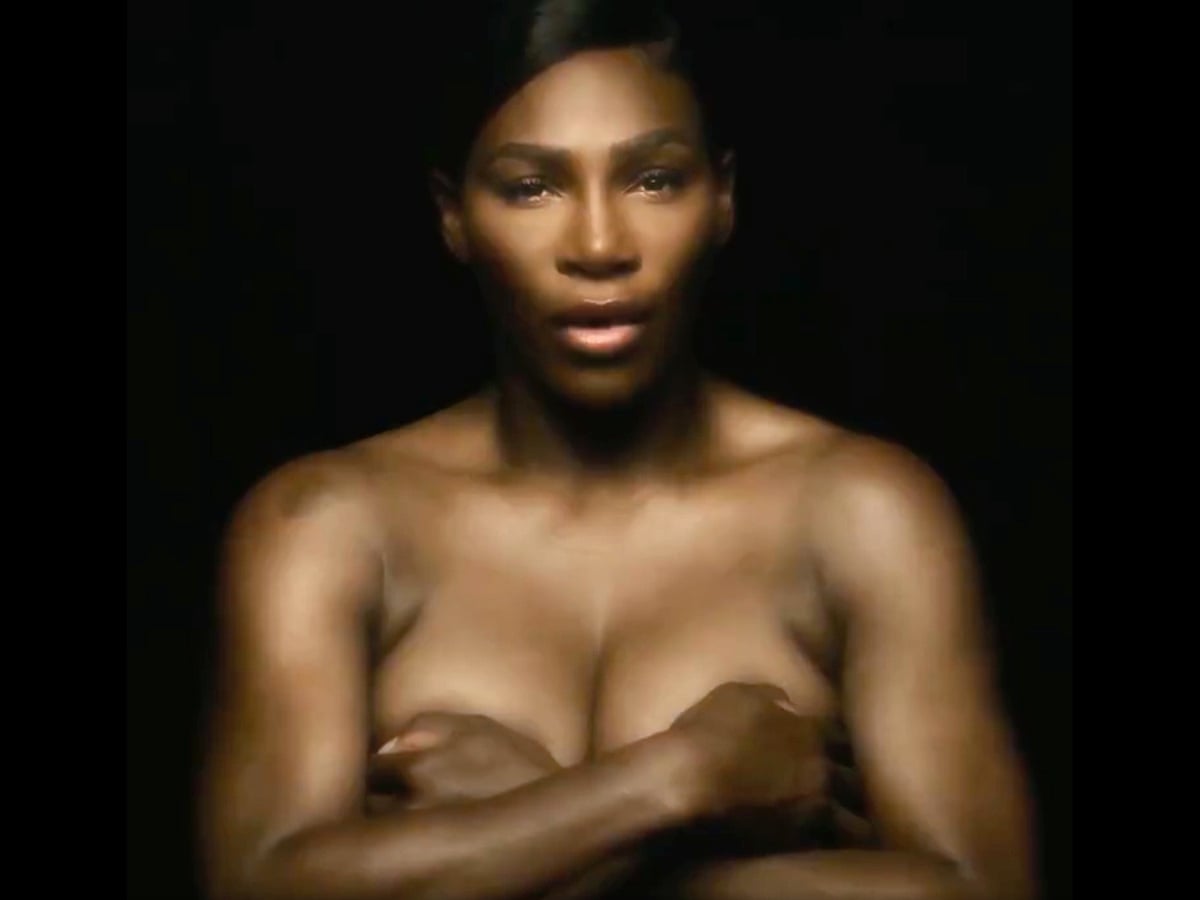
Serena Williams wants women to pay a little more attention to their breasts during October, which is Breast Cancer Awareness Month. In a new ad, the tennis star goes topless as she sings “I Touch Myself” by Divinyls. The song, originally full of sexual connotations, is now part of the I Touch Myself campaign to raise breast cancer awareness and promote early detection.
Sharing the clip to Instagram, Williams wrote, “This put me out of my comfort zone, but I wanted to do it because it’s an issue that affects all women of all colors, all around the world. Early detection is key – it saves so many lives. I just hope this helps to remind women of that.”
She added, “The music video is part of the I Touch Myself Project which was created in honor of celebrated diva, Chrissy Amphlett, who passed away from breast cancer, and who gave us her hit song to remind women to put their health first.” According to the National Breast Cancer Foundation, one in eight women will be diagnosed with breast cancer, which is the most common form of cancer among women and the second leading cause of cancer deaths among the group. You can find out more about early detection and research at www.nationalbreastcancer.org.
The rapper, actress and talk show host shares why this was the perfect time to tell her life story.
Progress in medicine is made possible through the contributions of many people, including patients, families, caregivers, and health care professionals who support and participate in clinical research. Clinical trials, a type of clinical research, help researchers understand how our bodies respond to investigational medicines or other treatments. They explore new ways to prevent, find, diagnose or treat diseases. They also help determine whether investigational treatments or new uses for existing treatments are safe and work well. It’s only through clinical trials that investigational medicines, treatments and devices can be approved for public use.
Diseases can impact people differently based on their age, gender, weight, race, ethnicity and other factors, so it’s important for clinical trials to include people from a wide variety of backgrounds. Historically, communities of color have had limited access to clinical trials despite facing higher burdens of many diseases. It’s important that clinical trial participants represent the population of people most impacted by the disease, so the data from the research appropriately reflects who the medicines and vaccines are designed to help. There are many barriers that keep people of all backgrounds from participating in clinical trials, including lack of awareness, mistrust, location and transportation challenges.
That’s why Merck, a global biopharmaceutical company, launched the Let’s Talk Trials campaign and educational website. This initiative is designed to spark meaningful conversations, provide resources and advance inclusive research to help build a future of health care that’s representative of all communities. People like Danielle Mitchell — a clinical research professional, leader and advocate — share this mission.
Danielle’s Mission: Creating Opportunities
Danielle Mitchell, CEO and founder of Black Women in Clinical Research (BWICR), embodies the spirit of Let’s Talk Trials. Her story is one of resilience and self-advocacy, breaking down barriers and creating opportunities not only for herself, but for thousands of Black women across the country.
Danielle has spent more than eight years creating a space dedicated to education, empowerment and support for other Black women pursuing careers in clinical research. BWICR began as a small online community and has grown into a supportive network that opens doors, provides mentorship and expands opportunities across the field. Through mentorship and shared knowledge, BWICR empowers more women to enter the field and strengthens representation across the industry.
“Research shows that Black patients are more likely to participate in clinical trials when their providers reflect their background,” Danielle says. “That’s why BWICR is so important. By creating pathways for more Black professionals to enter and lead in this space, we’re also helping to create the trust needed to make clinical trials more inclusive.”



Tennis legend Serena Williams is making waves again! She’s just shared brand-new, never-before-seen photos and videos that have fans talking, especially after many asked for something fresh beyond her usual posts. The latest content is bold, eye-catching, and definitely sparking plenty of reactions online.

BBC News: Iranian state TV has confirmed the death of Ayatollah Ali Khamenei, the 86-year-old ruler of Iran for more than three decades…

Fox News: Three Troops Killed, Five Badly Wounded During ‘Operation Epic Fury’

US-Iran War LIVE: United Nations Security Council Holds Emergency Meeting After United States-Israel Strikes on Iran

“I’m over it” – Social Media Explodes After Cardi B Reveals Plans to Remove Butt Implants in Colombia

BBC News: US President Donald Trump’s opponents in the two houses of Congress have called for him to be removed from office after the violent invasion of the Capitol by a mob of his supporters….

“I Touch myself” Serena Williams wants women to pay a little more attention to their breasts, which is Breast Cancer Awareness…. In a new ad, the tennis star goes topless as she sings “I Touch Myself” by Divinyls.

BBC News Reports: The BBC understands that the British government has not authorized the United States to use UK military bases to support any potential strikes on …

PORTER: Serena Williams Reflects on Early Body Image Struggles: ‘I Had Big Boobs, Butt’ When ‘Every Athlete Was Super Thin’…
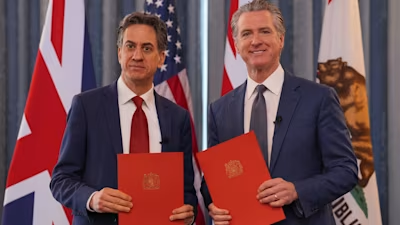
Hot News: Former President Trump Blasts UK–California Green Energy Collaboration….

What happens to Prince Harry? In early 2020, Prince Harry and Meghan Markle made headlines around the world when they announced they would step back as senior members of the British royal family. Their decision — quickly dubbed “Megxit” by the press — followed months of mounting pressures and public scrutiny.
