
NEWS
JUST IN: Despite Kristi Noem’s begging, Judge Boasberg won’t back off his planned criminal contempt hearings. 🔥 Even worse for Kristi, he says the crime-fraud exception would overcome any potential claims of privilege. No Escape Hatch: Why Privilege Claims May Collapse for Kristi Noem” This just got serious. Judge Boasberg says the crime-fraud exception could override privilege claims — a devastating blow to Noem’s legal strategy. No body is above the law….full details ⤵️⤵️

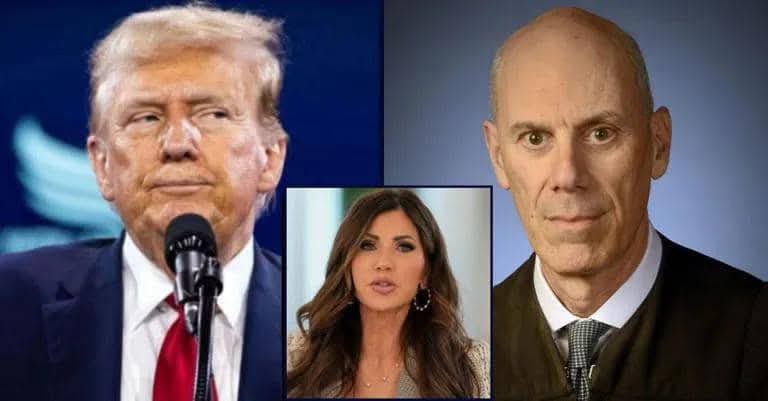
JUST IN: Despite Kristi Noem’s begging, Judge Boasberg won’t back off his planned criminal contempt hearings.  Even worse for Kristi, he says the crime-fraud exception would overcome any potential claims of privilege.
No Escape Hatch: Why Privilege Claims May Collapse for Kristi Noem”
This just got serious. Judge Boasberg says the crime-fraud exception could override privilege claims — a devastating blow to Noem’s legal strategy. No body is above the law….
No Escape Hatch: Why Privilege Claims May Collapse for Kristi Noem**
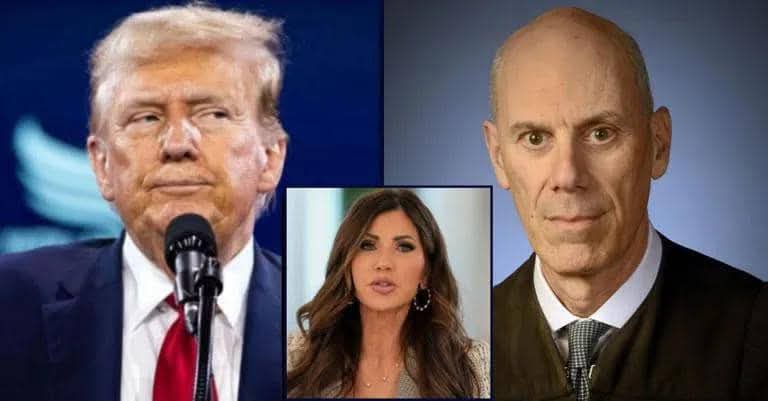
In a tense turn in a high-profile legal dispute, U.S. District Judge James Boasberg has signaled that he intends to proceed with planned criminal contempt hearings despite objections from attorneys for South Dakota Governor Kristi Noem. According to court proceedings, the judge declined requests to delay or narrow the hearings and emphasized that claims of attorney-client privilege may not shield evidence if the **crime-fraud exception** is found to apply.
The crime-fraud exception is a well-established legal doctrine. While attorney-client privilege protects confidential communications made for legitimate legal advice, it does **not** apply when those communications are used to further or conceal a crime or fraud. Judge Boasberg noted that, if the court determines the exception is triggered, otherwise privileged materials could be reviewed and potentially used as evidence.
For Noem’s legal team, this represents a significant risk. Privilege claims are often a central defense strategy in contempt matters, particularly where the dispute involves compliance with court orders or the handling of sensitive documents. The judge’s comments suggest that the court is prepared to look beyond labels and examine the substance of the conduct at issue.
Importantly, the court has **not** made any final findings of wrongdoing. Criminal contempt hearings are designed to determine whether a court order was willfully violated and, if so, whether penalties are warranted. The standard is high, and due process protections remain firmly in place.
Still, the message from the bench was unmistakable: no individual, regardless of office or influence, is automatically insulated from judicial scrutiny. As the hearings move forward, the outcome may hinge on whether prosecutors can make the preliminary showing required to invoke the crime-fraud exception—and whether the evidence supports contempt beyond a reasonable doubt.
For now, the case underscores a broader principle of the legal system: privilege is powerful, but it is not absolute, and the courts retain the final say.

BBC News: Iranian state TV has confirmed the death of Ayatollah Ali Khamenei, the 86-year-old ruler of Iran for more than three decades…

Fox News: Three Troops Killed, Five Badly Wounded During ‘Operation Epic Fury’

US-Iran War LIVE: United Nations Security Council Holds Emergency Meeting After United States-Israel Strikes on Iran

“I’m over it” – Social Media Explodes After Cardi B Reveals Plans to Remove Butt Implants in Colombia

BBC News: US President Donald Trump’s opponents in the two houses of Congress have called for him to be removed from office after the violent invasion of the Capitol by a mob of his supporters….

“I Touch myself” Serena Williams wants women to pay a little more attention to their breasts, which is Breast Cancer Awareness…. In a new ad, the tennis star goes topless as she sings “I Touch Myself” by Divinyls.

BBC News Reports: The BBC understands that the British government has not authorized the United States to use UK military bases to support any potential strikes on …

PORTER: Serena Williams Reflects on Early Body Image Struggles: ‘I Had Big Boobs, Butt’ When ‘Every Athlete Was Super Thin’…
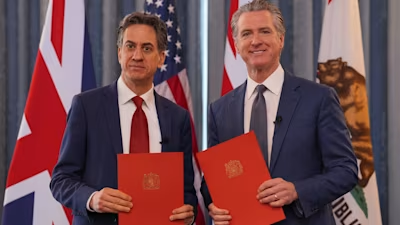
Hot News: Former President Trump Blasts UK–California Green Energy Collaboration….

What happens to Prince Harry? In early 2020, Prince Harry and Meghan Markle made headlines around the world when they announced they would step back as senior members of the British royal family. Their decision — quickly dubbed “Megxit” by the press — followed months of mounting pressures and public scrutiny.

When global pop powerhouse Taylor Swift and NFL superstar Travis Kelce first went public, fans joked it felt like a modern fairy tale. So what would happen if the fairy tale ended in the ultimate celebration?
